A great man is one who collects knowledge the way a bee collects honey and uses it to help people overcome the difficulties they endure - hunger, ignorance and disease!
- Nikola Tesla

Remember, remember always, that all of us, and you and I especially, are descended from immigrants and revolutionists.
- Franklin Roosevelt

While their territory has been devastated and their homes despoiled, the spirit of the Serbian people has not been broken.
- Woodrow Wilson

Serbian Church In History - Renewal of the Patriarchate of Pec

Article Index

RENEWAL OF THE PATRIARCHATE OF PEC

The renewed Patriarchate of Pec existed for almost two hundred years (1557-1766). By mid 16th century, Balkans, and especially those areas inhabited by Serbs, became a transitory region for conquering Turkish armies going west, and the Ottoman authorities wanted to appease Orthodox Serbs by granting concessions to their Church. It is for this reason that Patriarchate of Pec was renewed with Turkish approval. The Grand Vizier Mehmed (Muhammad) Sokolovic (Sokolovich), a janizary of Serbian stock who became very successful in climbing the Ottoman social and political ladder, played the key role in this affair. It was through his assistance that the Patriarchate was renewed in 1557, its first Patriarch being Vezier’s very brother — Makarije Sokolovic (1557-1571, Macarius). This was a grand occasion for Serbs and their Church, Patriarchate of Pec spiritually united all Serbian ethnic regions into one. Even parts of Bulgaria and Hungary came under its jurisdiction. Old dioceses were renewed and new ones formed: Dioceses of Trebinje (Trebinye) in Herzegovina, Pozega (Pozhega) in Slavonia, Marca, Jenopolis, Vrsac (Vrshats), Budim … All in all there were around 40 dioceses in the wide region covering the area from Budim (Hungary) to the river Drim in Albania, and from Western Bulgaria to the Adriatic Sea.

Serbian Church now functional under now more favourable circumstances when compared to those of the early years of Ottoman rule. New monasteries and churches were allowed to be built (Canyon of Ovcar [Ovchar] and Kablar monasteries), and many old ones restored and redecorated (Pec, Gracanica). Political status of the Serbian Patriarch was much similar to the one held by Patriarch of Constantinople. He was proclaimed “People’s Leader” and bestowed considerable “worldly” authority over his Christian subjects. He gave suggestions to the Porte concerning elections of metropolitans and bishops, judged disputes among priests, raised Sultan’s annual taxes, solved marital disputes among Christians, held inheritance rights to the property of all those who became deceased but had no lawful heirs. Patriarch was a person of high standing both in the eyes of the Turks and among the Christian population. He travelled on horseback always accompanied by an escort and his official dignitaries. It, thus, happened that under the Turkish yoke the Church and the Patriarch assumed, out of necessity, that role which was normally held by the State and the “worldly” rulers among the Serbs.

SA


People Directory

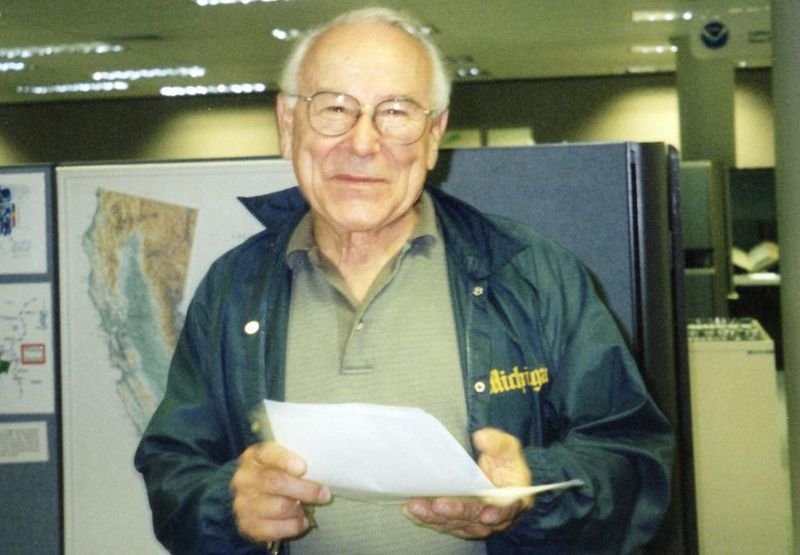
Bishop Longin (Krčo)

(1997–)

His Grace Bishop Longin of New Gračanica and Midwest America was born on September 29, 1955 as Momir Krčo in the town of Kruscanje Olovo. His parents were Stanoje and Andja Jovanovic. He attended grade school in Olovske Luke from 1962 to 1970. He entered Three Hierarchs Seminary in Monastery Krka in 1970 and graduated in 1975.

During this time he was tonsured a monk and received the small schema as a fifth year student. The tonsuring was done by Bishop Stefan of Dalmatia on the eve of the school Slava of the Holy Three Hierarchs on February 11, 1975. At the Divine Liturgy on February 12th he was ordained a deacon by Bishop Stefan. On February 13th, he was ordained a priest (he was twenty years old at time of his priestly ordination.)

He entered the Moscow Theological Academy in 1975 where he graduated in 1979. From October 1980 to April 1981, he served in the Diocese of Zvornik-Tuzla as secretary of the Executive Board. He was also administrator of two parishes. On the decision of the Holy Synod of Bishops he was appointed as lecturer of the Holy Three Hierarchs Seminary in 1983 for two years.

Read more ...

Publishing

Христос – Нова Пасха – Божанствена Литургија

Serbian Edition, author Bishop Athanasius Yevtich (издање на српском језику, аутор епископ Атанасије Јевтић)

Период двадесетог века представљао је врло комплексно раздобље везано за развој литургијско-богословске мисли у нашој помесној Цркви. Осећајући насушну еклисијалну и пастирску потребу да поменуту мисао надгради и истовремено је учини приступачнијом народу Божијем, епископ Атанасије Јевтић се одлучио да понуди тротомно дело под насловом: Христос – Нова Пасха – Божанствена Литургија. Иако се објављивање трећег тома тек очекује, сматрамо да богословској и читалачкој пажњи треба представити два тома који су већ изашли.

Сложени назив овог епохалног издања, које може бити препознато као „српска литургијска стромата двадесет и првог века“, аутор је начинио на основу одељка из Прве Посланице Коринћанима светог апостола Павла: Јер се Пасха наша Христос жртвова за нас (1Кор 5, 7). Дело се састоји из два тома и намењено је, према речима епископа Атанасија, „богобојажљивим и христочежњивим љубитељима Божанских Тајни, усрдним учесницима Свете Литургије и причесницима Богочовечанских Светиња“. Наиме, у њему су сабрани текстови о Светој и Божанственој Евхаристији од најранијих времена Цркве Христове (првог века) све до савременог доба, а сâм циљ јесте „раскривање литургијских, еклисиолошких, космичких и есхатолошких димензија Светајне Христа и Његове Цркве“. Највећи део сабраних литургијско-светоотачких текстова се по први пут појављује на српском језику, благодарећи преводилачком и прегалачком труду епископа Атанасија. Уз то, веома су драгоцени његови оригинални коментари. Треба истаћи да су оба тома штампана са тврдим корицама у штампарији Интерклима Графика у Врњачкој Бањи.

Read more ...