A great man is one who collects knowledge the way a bee collects honey and uses it to help people overcome the difficulties they endure - hunger, ignorance and disease!
- Nikola Tesla

Remember, remember always, that all of us, and you and I especially, are descended from immigrants and revolutionists.
- Franklin Roosevelt

While their territory has been devastated and their homes despoiled, the spirit of the Serbian people has not been broken.
- Woodrow Wilson

Mladi Amerikanci srpskog porekla prihvataju obe kulture

Šta se može očekivati od mladih Amerikanaca srpskog porekla na političkom i poslovnom planu? Branko Mikašinović razgovarao je o tome sa dvoje mladih, koji trenutno studiraju u Vašingtonu. Katarina Ilić iz Kalifornije studira na Univerzitetu Džordž Vašington, dok Vladimir Petrović iz Čikaga student Američkog univerziteta.

Glas Amerike, Otvoreni Studio


SA


People Directory

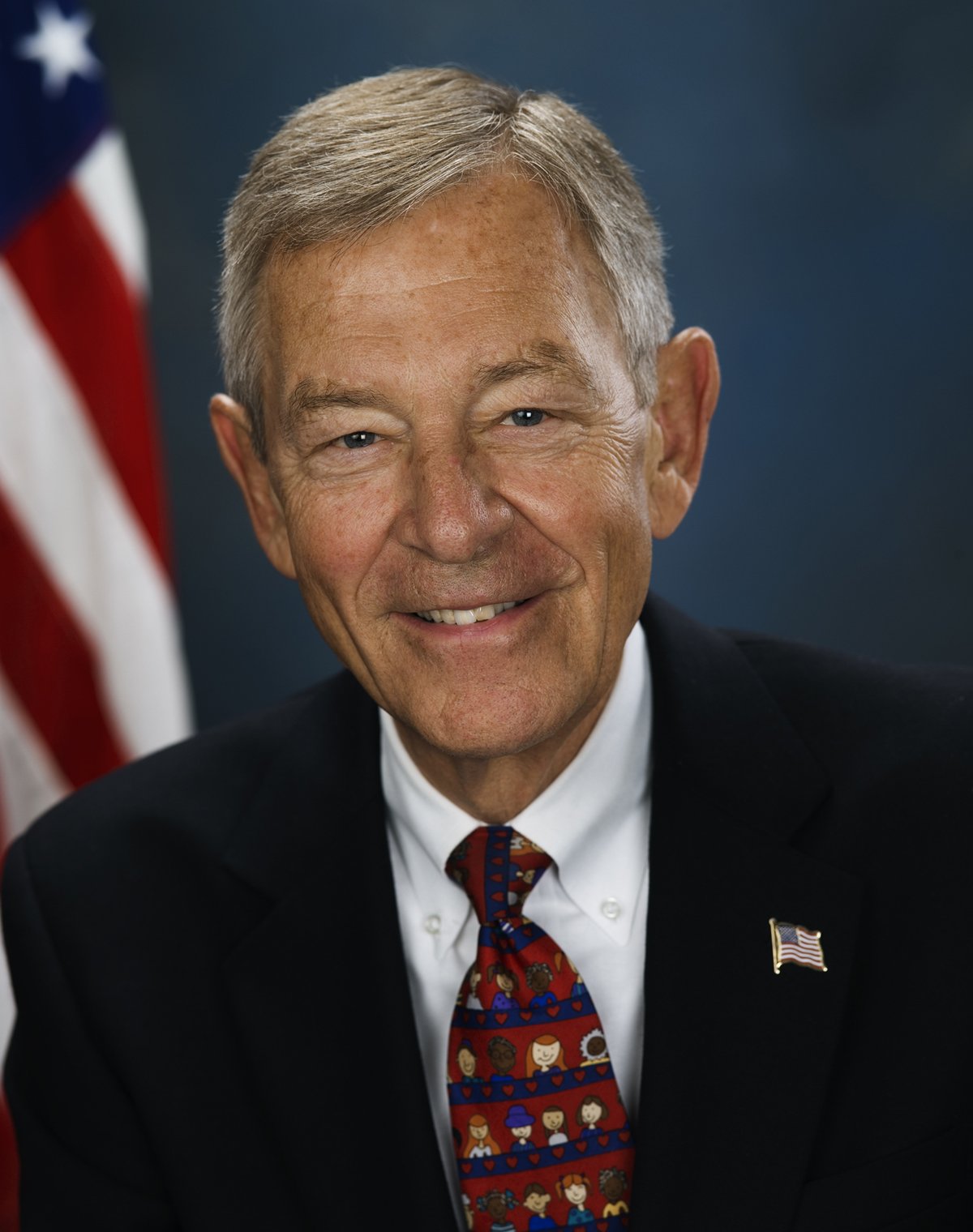
George Voinovich

United States Senator

George Victor Voinovich (born July 15, 1936) represents Ohio in the U.S. Senate, to which he was elected in 1998, and re-elected in 2004.

Born in Cleveland, Ohio, to a Serbian father and a Slovenian mother, Voinovich earned a Bachelor of Arts degree in government from Ohio University in 1958 and a law degree from the Ohio State University in 1961.

Voinovich began his political career in 1963 as an assistant attorney general of Ohio. He then served as a member of the Ohio House of Representatives from 1967 to 1971. From 1971 to 1976, he served as county auditor of Cuyahoga County, Ohio. In 1975, he made an unsuccessful run for the Republican nomination for mayor of Cleveland against incumbent Mayor Ralph J. Perk. . Read more ...

Publishing

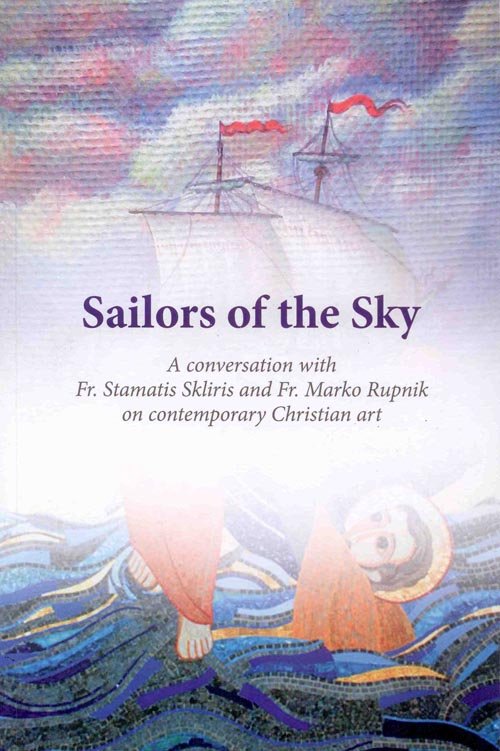
Sailors of the Sky

A conversation with Fr. Stamatis Skliris and Fr. Marko Rupnik on contemporary Christian art

In these timely conversations led by Fr. Radovan Bigovic, many issues are introduced that enable the contemporary reader to deepen and expand his or her understanding of the role of art in the life of the Church. Here we find answers to questions on the crisis of contemporary ecclesiastical art in West and East; the impact of Impressionism, Expressionism, Cubism, Surrealism and Abstract painting on contemporary ecclesiastical painting; and a consideration of the main distrinction between iconography and secular painting. The dialogue, while resolving some doubts about the difference between iconography, religious painting, and painting in general, reconciles the requirement to obey inconographic canons with the freedom essential to artistic creativity, demonstrating that obedience to the canons is not a threat to the vitatlity of iconography. Both artists illumine the role of prayer and ascetisicm in the art of iconography. They also mention curcial differences between iconography in the Orthodox Church and in Roman Catholicism. How important thse distinctions are when exploring the relationship between contemporary theology and art! In a time when postmodern "metaphysics' revitalizes every concept, these masters still believe that, to some extent, Post-Modernism adds to the revitatiztion of Christian art, stimulating questions about "artistic inspiration" and the essential asethetic categories of Christian painting. Their exceptionally wide, yet nonetheless deep, expertise assists their not-so-everday connections between theology, ar, and modern issues concerning society: "society" taken in its broader meaning as "civilization." Finally, the entire artistic project of Stamatis and Rupnik has important ecumenical implications that aswer a genuine longing for unity in the Christian word.

The text of this 94-page soft-bound book has been translated from the Serbian by Ivana Jakovljevic, Fr. Gregory Edwards, and Andrijana Krstic. Published by Sebastian Press, Western American Diocese of the Serbian Orthodox Church, Contemporary Christian Thought Series, number 7, First Edition, ISBN: 978-0-9719505-8-0